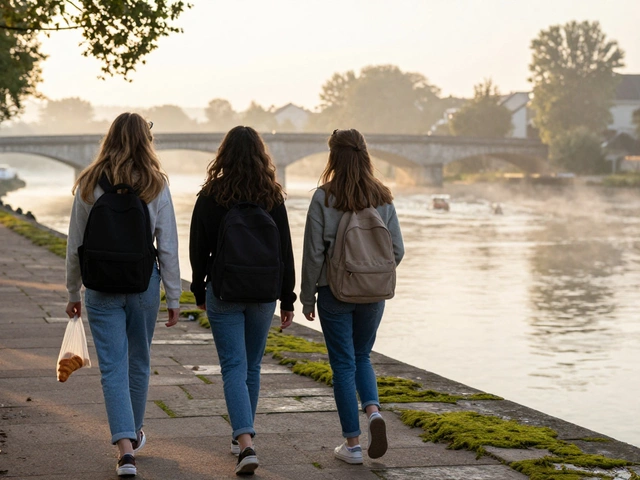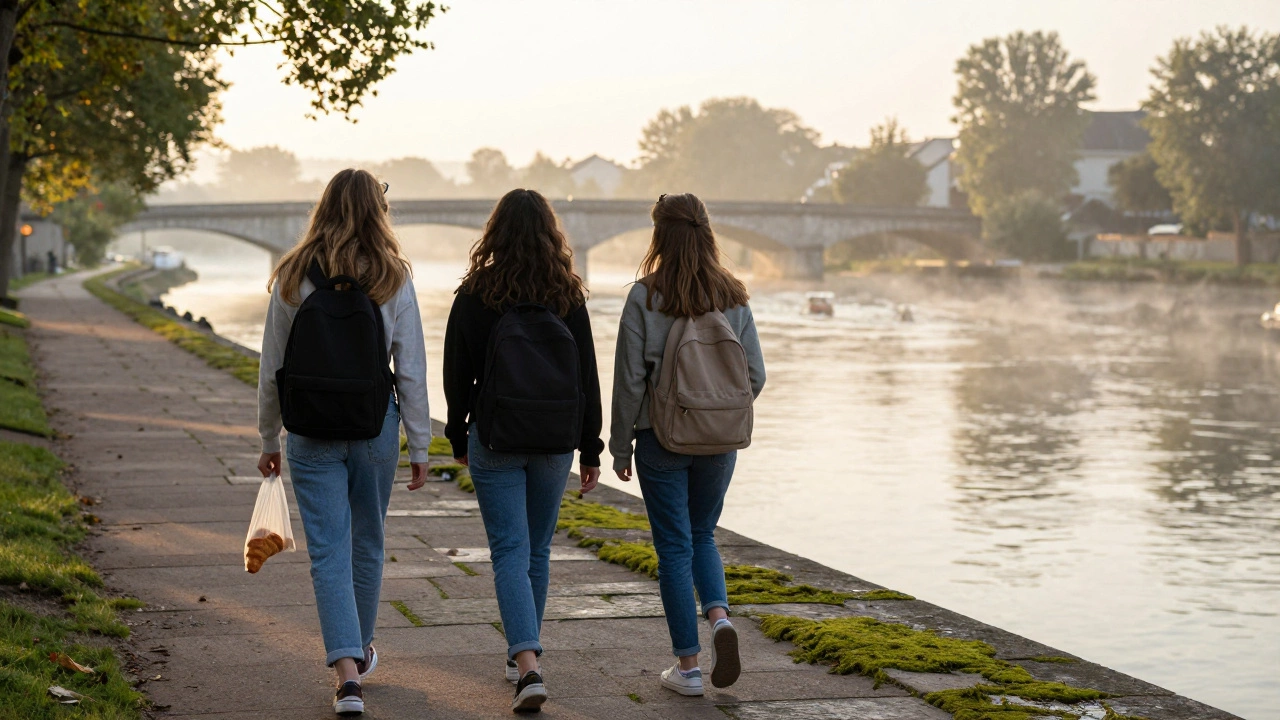
The gorge of Nantes isn’t just a geological feature-it’s a living rhythm of daily life, where the Loire’s current carries more than water. It carries stories. Among them, the young women who walk its paths at dawn, who sit on the moss-covered benches after school, who laugh loud enough to echo off the stone bridges. They don’t wear uniforms. They don’t follow a script. And yet, there’s a quiet sameness to them-not because they’re forced into it, but because they’ve chosen it, piece by piece, in ways no outsider can fully decode. This isn’t conformity as punishment. It’s conformity as comfort. As belonging.
Some call it style. Others call it culture. A few, in hushed tones, might compare it to the quiet confidence of an escort london vip who knows exactly when to speak and when to listen-except these girls aren’t performing. They’re just being. Their jeans are always the same cut. Their backpacks, always worn low. Their hair, always slightly messy, never styled for attention. It’s not rebellion. It’s not trend-following. It’s something deeper: a shared unspoken language of presence.
What Does Unclassifiable Conformity Look Like?
Try walking through the old quarter of Nantes on a Tuesday morning. Notice the girls in their late teens, walking in pairs or small groups. They don’t match outfits. But they match energy. One wears a faded band tee. Another has a wool coat from 2018. A third carries a plastic bag with a croissant sticking out. No one checks their phone constantly. No one poses for photos. No one tries to stand out. And yet, together, they form a pattern that’s unmistakable.
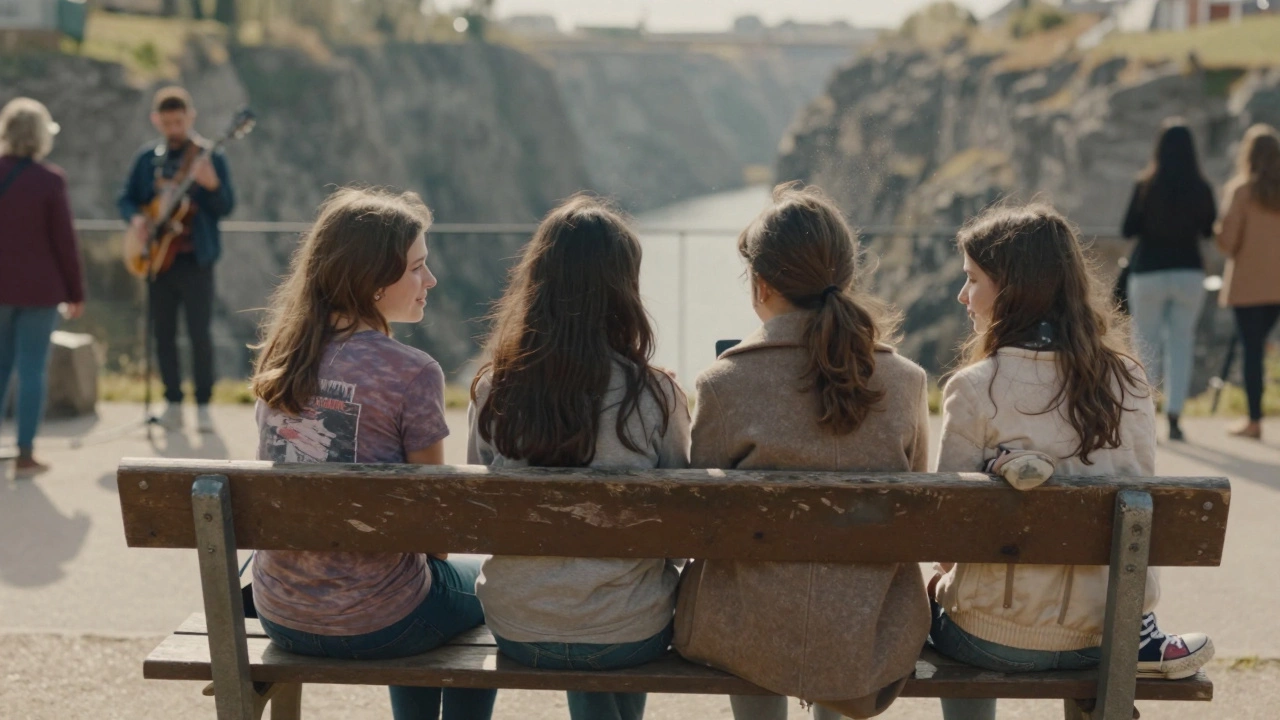
This isn’t like school uniforms. It’s not like corporate dress codes. It’s not even like the curated aesthetics of social media. This is organic. Unplanned. It emerged from years of shared routines-same bus stop, same café, same park bench where they wait for the sun to hit just right before heading home. Their conformity isn’t imposed. It’s inherited-not from parents or teachers, but from each other.
The Quiet Power of Not Trying
There’s a myth that confidence means standing out. That to be seen, you must shout. But in Nantes, the most powerful presence is the one that doesn’t demand attention. These girls move through the city like they own it-not because they’re loud, but because they’re certain. They don’t need to prove anything. Not to strangers. Not to boys. Not to Instagram algorithms.
It’s the same energy you see in the best
Why This Matters Beyond Nantes
Most cities are built for performance. For visibility. For likes. For followers. In London, Paris, Tokyo, people dress to be noticed, to be chosen, to be remembered. But in Nantes, the girls of the gorge have built something rarer: a space where being remembered isn’t the goal. Being present is.
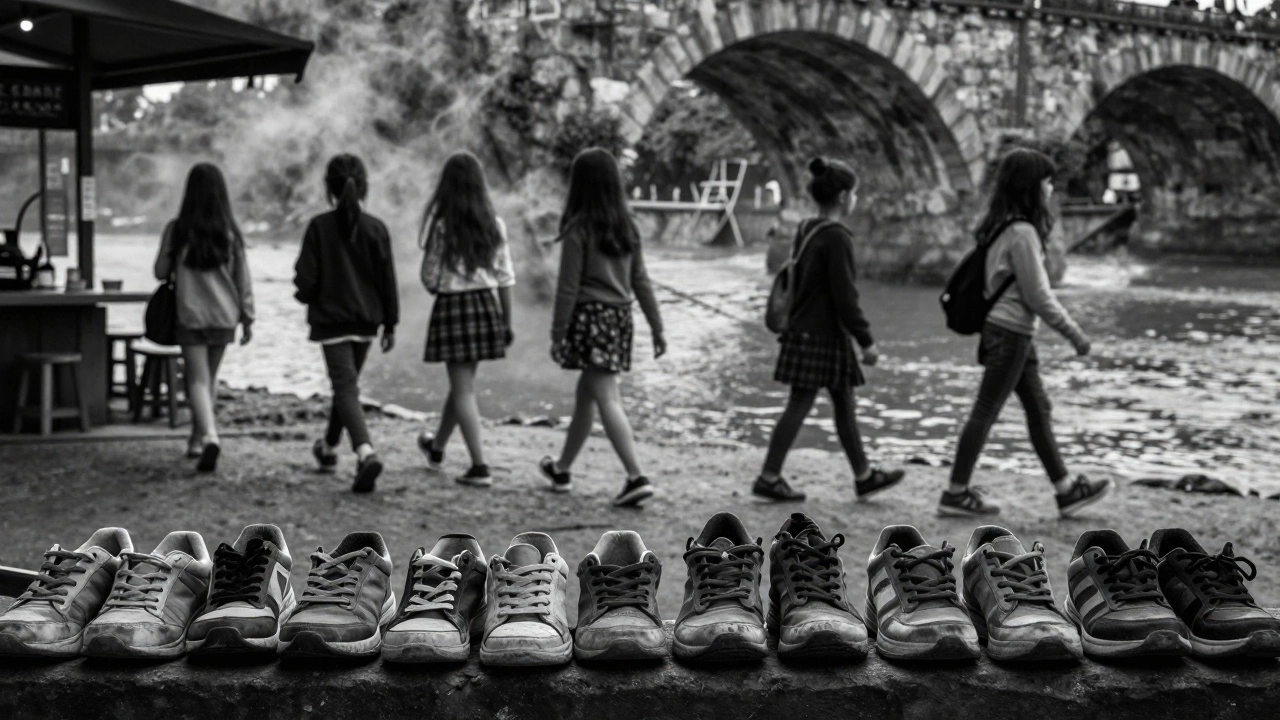
This isn’t anti-modern. It’s post-modern. They’ve seen the noise. They’ve felt the pressure. And they’ve quietly stepped away from it-not in protest, but in peace. Their clothing choices aren’t fashion statements. They’re emotional anchors. The same hoodie worn for three winters. The same worn-out sneakers. The same way they tuck their hair behind their ear when they’re thinking. These aren’t accidents. They’re rituals.
The Role of Place in Shaping Identity
The gorge isn’t just scenery. It’s a stage without an audience. The trees don’t judge. The water doesn’t record. The bridges don’t post. So the girls don’t perform. They simply exist. And in that space, identity becomes less about what you show, and more about what you carry inside.
Compare this to cities where identity is bought-designer logos, filtered selfies, paid influencers. In Nantes, identity is grown. It’s nurtured in silence. In repetition. In the comfort of knowing you don’t have to change to fit in. You already do.
What Happens When the Outside World Notices?
Tourists sometimes take photos. They whisper about "the girls with the perfect vibe." Bloggers write about "the secret aesthetic of Nantes." But none of them get it. They try to label it. "Minimalist." "Boho." "French cool." But those words don’t fit. It’s not a look. It’s a rhythm.
One French sociologist from Lyon tried to study them. He spent six months taking notes. He interviewed 23 girls. Only five agreed to be named. He wrote a 300-page thesis. In the end, he admitted: "They don’t conform to anything. They are the thing they conform to."
That’s the unclassifiable part.
How This Connects to Bigger Ideas About Belonging
Modern life tells us to stand out. To be unique. To brand ourselves. But what if true freedom isn’t about being different-it’s about being free to be the same, without shame? These girls aren’t copying each other. They’re mirroring each other’s peace.
There’s a quiet revolution here. One that doesn’t need hashtags. One that doesn’t need a movement. It just needs a gorge, a river, and a group of girls who decided, one morning, that they’d rather walk together than compete.
And maybe that’s the lesson we’ve forgotten. Belonging doesn’t require applause. Sometimes, it just requires showing up-again and again-in the same shoes, with the same smile, in the same place, without needing to explain why.
It’s the same reason an