
On November 27, 2025, Everton Football Club will unveil a quiet but powerful memorial — a Talking Bench — at the Hill Dickinson Stadium in Liverpool, honoring the life and legacy of Gary Speed, the beloved Wales national team manager who died by suicide on November 27, 2011. The bench, positioned centrally on the Budweiser Fan Plaza, isn’t just a tribute. It’s a lifeline. Designed with subtle QR codes and hotline numbers, it directs anyone in distress to free, confidential mental health support from Mind Cymru and other Welsh services. The timing is deliberate: exactly 14 years after Speed was found dead at his home in Huntington, Cheshire, leaving behind a football world in shock — and a nation grappling with a silence that cost too many lives.
Why This Bench Matters More Than Ever
Gary Speed wasn’t just a footballer. He was a captain, a leader, a man who played 338 Premier League games across six clubs, including Everton, and earned 85 caps for Wales. When he took over as Wales manager in December 2010, the team was ranked 117th in the world. By the time he died, they were climbing — up to 45th. He was rebuilding something. And then, just 24 hours after appearing cheerful and relaxed on BBC’s Football Focus, he was gone. The dissonance was unbearable. Fans didn’t just lose a manager. They lost someone who seemed to have it all together. That’s the cruel irony of mental health struggles: they don’t always wear signs. The day after Speed’s death, an unnamed lifelong Wales supporter driving through Cardiff heard the news on BBC Radio. He pulled over. Sat there. Hunched over the wheel. Later, he went to the home of Welsh pop legend Shakin’ Stevens — Michael Barratt — and the two men, one a football icon, the other a music star, sat in stunned silence over tea. Neither spoke of Speed in their newspaper piece. Not then. It felt wrong. Too personal. Too selfish. But years later, he wrote about it. Not to grieve publicly. To say: Men are rubbish at talking. But you don’t have to be.The Legacy That Grew From Grief
Speed’s death didn’t just trigger tears. It triggered action. In December 2011, the Football Association of Wales launched the Gary Speed Memorial Fund. By 2024, it had distributed £2.3 million to mental health initiatives across Wales. That money funded counselors in schools, helplines for players, peer support networks. It wasn’t just about football. It was about survival. The Mind Cymru charity, which runs the services linked to the bench, says suicide remains the leading cause of death for men under 50 in Wales. Between 2011 and 2021, 1,023 men took their own lives. Dr. Michael John, Clinical Director at Mind Cymru, calls Speed’s legacy “a quiet revolution.” He points out that the Premier League’s Heads Up campaign — which trained 1,200 club staff in mental health first aid since 2018 — didn’t exist before Speed’s death. Neither did the similar benches at Tottenham’s stadium or Villa Park. This isn’t the first memorial. But it might be the most visible.
Who Will Be There — And Why
The unveiling on November 27, 2025, will draw a solemn crowd. Colin Chong, Everton’s CEO, and Sir Ian Prosser, the club’s chairman, will speak. So will Louise Speed, Gary’s widow, and their sons, Thomas Speed and Edward Speed. Representatives from the Professional Footballers’ Association and the Football Association of Wales, including CEO Noel Mooney, will be present too. This isn’t just an Everton event. It’s a Welsh one. A British one. A global football one. Because Speed’s death changed how the game talks — or finally learns to listen.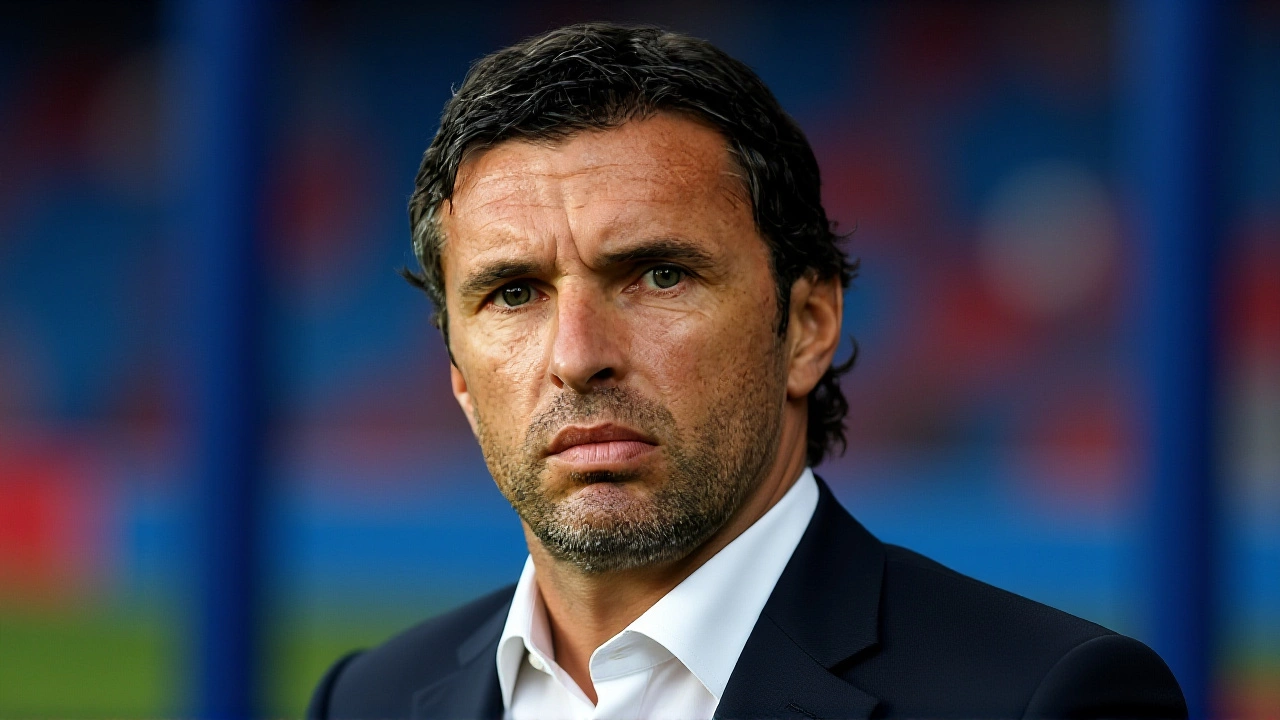
What Comes Next
The bench is not the end. It’s a milestone. In November 2026, the Football Association of Wales plans to roll out mandatory mental health education for all 72,000 registered youth players in Wales. That’s not a policy. That’s a promise. A promise that no boy growing up in Cardiff, Swansea, or Wrexham will ever feel alone in his silence again. The bench won’t shout. It won’t demand attention. It will sit quietly on the plaza, next to the roar of fans, the smell of popcorn, the clink of beer cans. But for the one person who sees it, sits down, and picks up the phone? It might just save a life.Frequently Asked Questions
Why is the memorial at Everton’s stadium and not in Wales?
Everton was one of Gary Speed’s most significant clubs, where he played from 1988 to 1996 and earned cult status. The club chose to honor him there because of his deep personal connection to the team and its fans. But the memorial’s resources — including Mind Cymru’s services — are focused on Wales, reflecting his role as national team manager and the fund’s Welsh impact.
How does the Talking Bench actually help people in crisis?
The bench includes discreet QR codes linking to Mind Cymru’s 24/7 helpline, CALM, and the Samaritans (116 123). It also features printed hotline numbers and a simple message: “You’re not alone.” No logos. No branding. Just access. The design avoids stigmatizing language, making it easy for someone in distress to use without drawing attention.
What’s the connection between Gary Speed’s death and rising suicide rates in Wales?
Speed’s death became a catalyst for public conversation about male mental health in Wales, where suicide rates remain alarmingly high. Between 2011 and 2021, 1,023 men under 50 died by suicide, according to ONS data. His legacy helped shift public perception — from silence to support — leading to targeted funding and education programs that didn’t exist before.
How has the Gary Speed Memorial Fund impacted communities in Wales?
Since 2011, the fund has distributed £2.3 million to mental health services across Wales, supporting school programs, youth football initiatives, and community counseling. Many of these funds went to rural areas with limited access to services. One project trained 500 football coaches to recognize signs of depression — turning stadiums into safe spaces.
Will other Premier League clubs follow Everton’s lead?
Already, Tottenham and Aston Villa have installed similar benches. Everton’s high-profile unveiling may encourage others, especially as the Premier League’s Heads Up campaign gains momentum. Clubs are increasingly seeing mental health infrastructure as part of their social responsibility — not just charity.
What can fans do if they’re struggling?
Reach out. Call Mind Cymru at 0800 055 5555, or the Samaritans at 116 123 — free, confidential, available 24/7. You don’t need to be suicidal to need someone to talk to. Gary Speed’s story reminds us: even the strongest among us can break. And asking for help isn’t weakness. It’s the bravest thing you can do.