Dubai isn’t just about glittering towers and after-dark clubs. While the city’s nightlife gets all the attention, there’s a quieter, deeper side that draws people back again and again - a blend of ancient traditions, wellness rituals, and understated luxury that feels more like a revelation than a vacation. If you’ve ever thought Dubai was all about parties and shopping malls, you’re missing half the story.
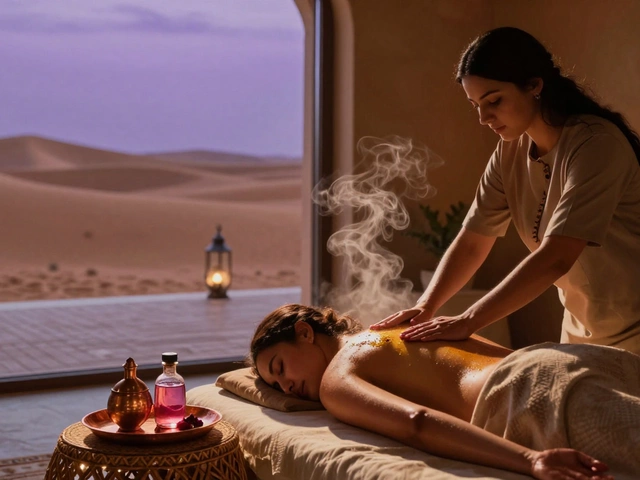
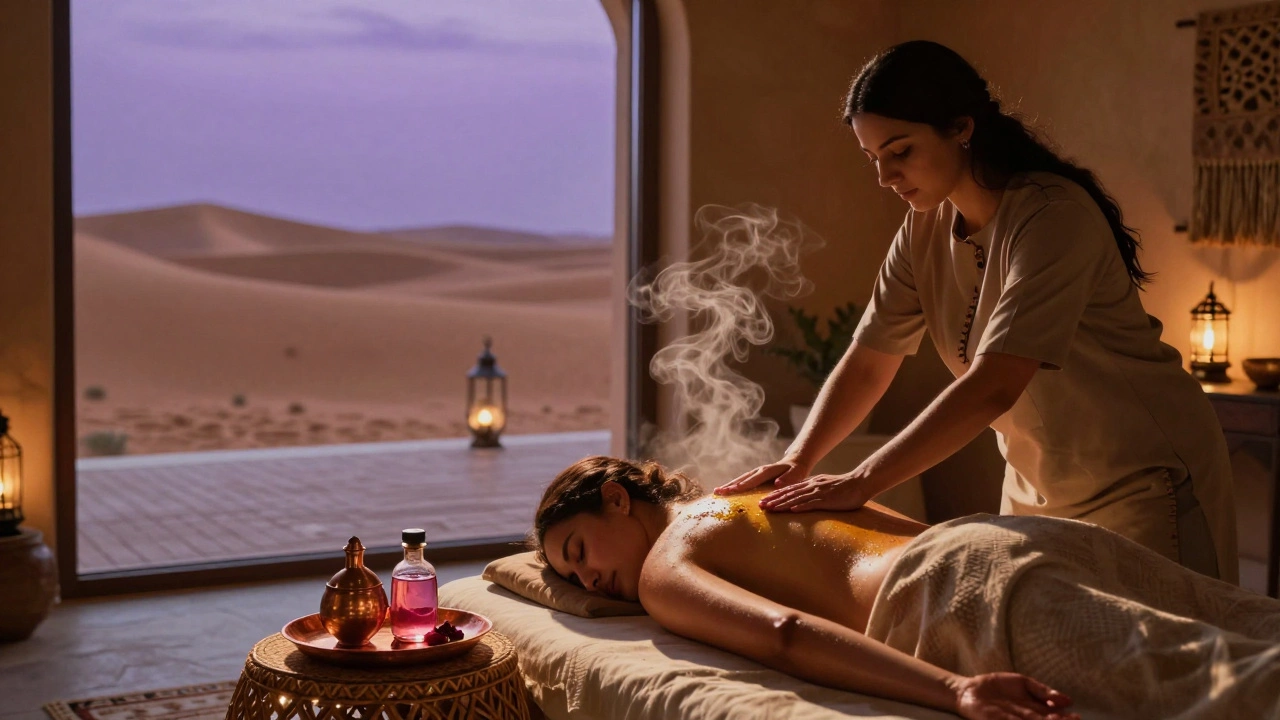
For some, the appeal starts with something as simple as a body massage dubai session tucked away in a private villa near the desert edge. These aren’t just spa treatments; they’re experiences designed to reset your rhythm, using oils passed down through generations and techniques that balance energy, not just muscles. It’s no wonder travelers who come for the skyline end up returning for the stillness.
The Real Dubai: Where Tradition Meets Stillness
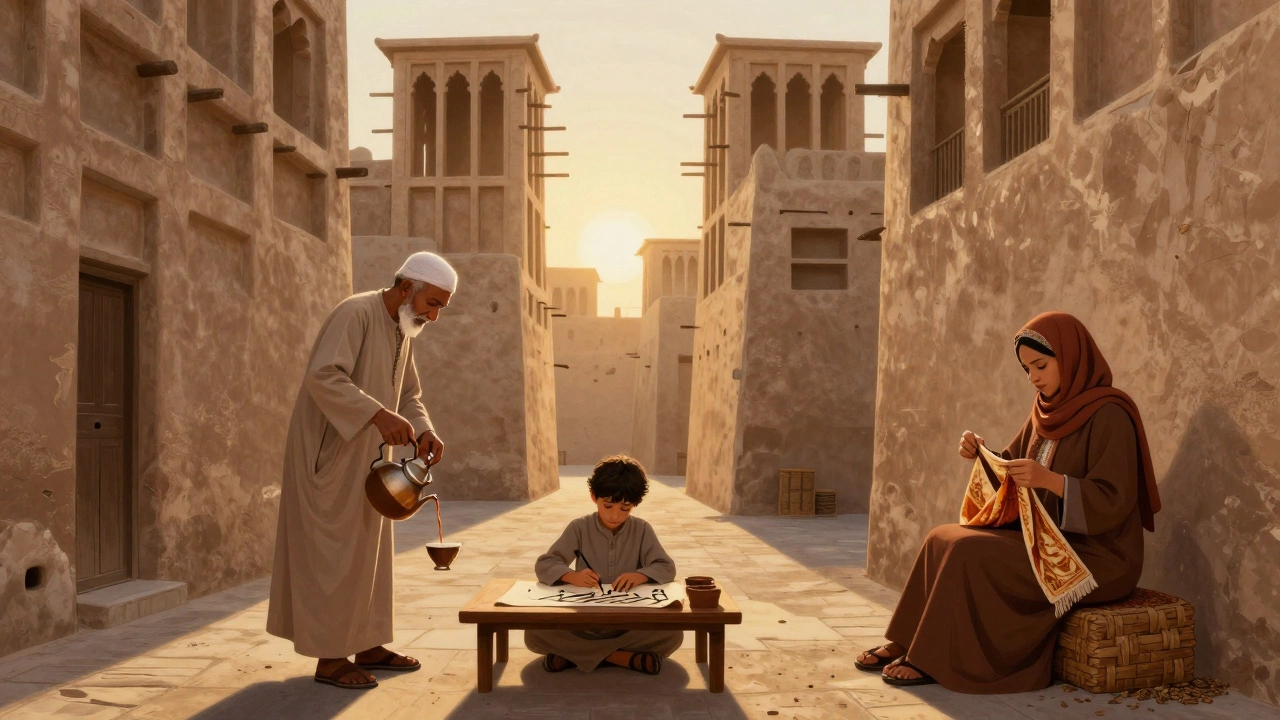
Walk into any traditional Arabic souk in Deira or Bur Dubai, and you’ll find more than spices and gold. You’ll find elders sipping cardamom coffee, children learning calligraphy, and women weaving frankincense into silk scarves. These moments aren’t staged for tourists. They’re lived. Dubai’s history stretches back over 5,000 years, long before the first skyscraper rose from the sand. The Al Fahidi Historical Neighbourhood, with its wind-tower houses and narrow alleyways, still hums with the same quiet energy it had in the 1800s.
Many visitors don’t realize that the city’s modern identity was built on trade, not tourism. The Dubai Creek was once the lifeblood of the region - dhow boats arriving from India, Persia, and East Africa carrying pearls, textiles, and incense. Today, you can still take a 10-dirham abra ride across the creek and watch fishermen mend their nets under the same palm trees their grandfathers sat under.
Wellness Isn’t a Trend Here - It’s a Way of Life
When people talk about wellness in Dubai, they often think of expensive resorts. But the real wellness culture lives in the everyday. Locals start their mornings with prayer and a walk along the Corniche before the sun gets too strong. Families gather at sunset for tea and dates on rooftop terraces. The rhythm of life here is slower than it looks.
One of the most powerful forms of this wellness is the traditional Arabic massage - deeply rooted in Ayurvedic and Ottoman practices. These sessions focus on circulation, detoxification, and restoring balance. Unlike typical spa massages, they often include herbal steam, honey scrubs, and warm oil applications that linger for hours after the session ends. You’ll find these offered in quiet corners of Jumeirah, Al Barsha, and even inside private homes in the quieter parts of Dubai Marina.
And yes, some of these services include specialized treatments like lingam massage - a gentle, ritual-based practice that’s part of a broader holistic approach to body and spirit. It’s not about sensuality in the Western sense. It’s about connection, presence, and releasing stored tension. These are offered discreetly, by appointment only, and often by practitioners who’ve trained for years under masters in India and Egypt.
The Desert Isn’t Just a Photo Op
Most tourists do a dune buggy ride and call it a day. But the real magic of the desert happens after the tour buses leave. At night, when the temperature drops and the stars come out in impossible numbers, the silence becomes tangible. Bedouin families still camp in the dunes, serving mint tea and storytelling under the stars. Some offer overnight stays where you sleep on woven rugs, listen to oud music, and wake up to the sound of goats and the call to prayer echoing across the sands.
There’s no Wi-Fi here. No neon signs. Just the wind, the fire, and the vastness. It’s the kind of place that changes how you think about time. People who come for the Burj Khalifa often leave with a new understanding of peace.
Art, Quietly Thriving
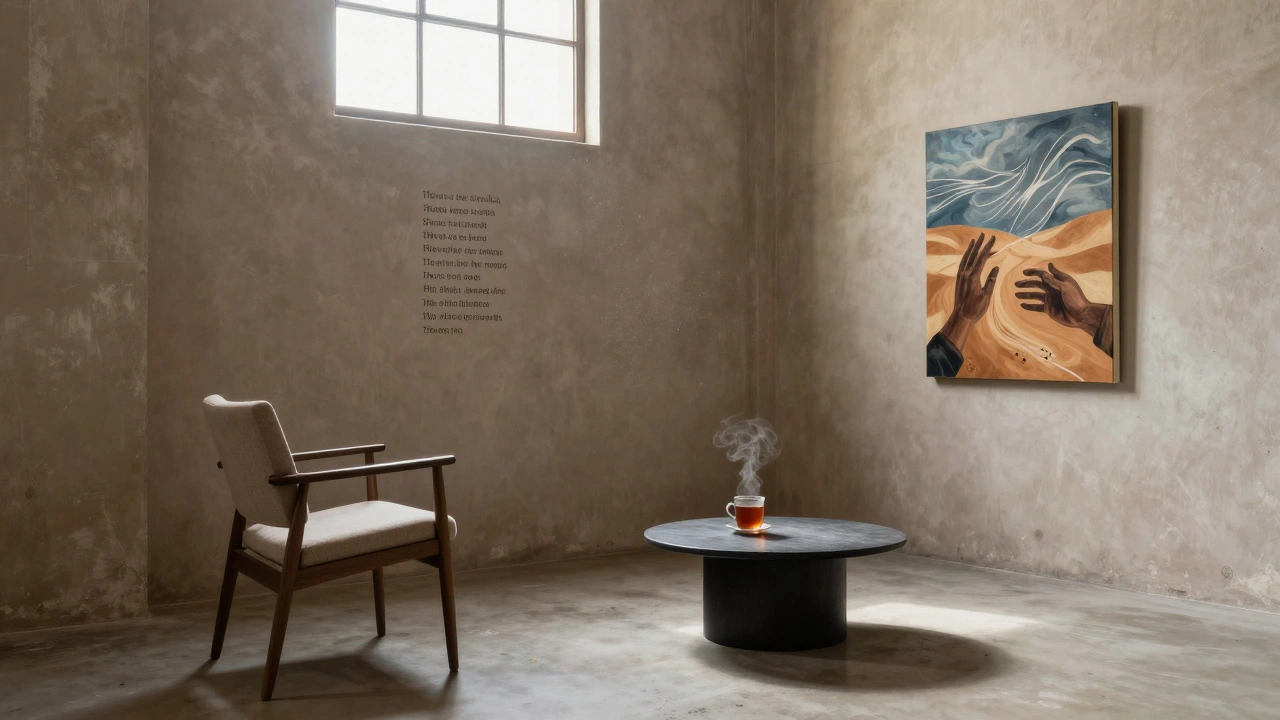
Dubai’s art scene doesn’t shout. It whispers. While the Louvre Abu Dhabi gets the headlines, Dubai’s real artistic heartbeat lives in small galleries in Alserkal Avenue. These are converted warehouses filled with work from Emirati artists, Iranian calligraphers, and Sudanese sculptors. Many pieces explore identity, memory, and belonging - themes that resonate deeply in a city built by immigrants.
One gallery, Al Riwaq, hosts monthly poetry nights where writers read in Arabic, English, and Urdu. No tickets. No crowds. Just chairs in a courtyard, tea on a low table, and words that hang in the air longer than you expect.
Food That Tells a Story
Dubai’s food isn’t just about luxury brunches or Michelin stars. It’s about the woman in Karama who makes khubz tawa every morning - flatbread baked on a cast-iron griddle, served with honey and ghee. It’s about the Pakistani family in Satwa who’ve been serving nihari for 40 years, using the same pot and recipe since they arrived in the 1980s.
Try a meal at a local eatery like Al Ustad Special Kabab or Al Mallah Restaurant. You won’t find Instagrammable plating. But you’ll taste history. The spices, the slow-cooked meats, the way the rice is layered - it’s all connected to trade routes that spanned continents centuries ago.
Why People Stay - And Why They Come Back
Dubai doesn’t ask you to stay. It doesn’t beg you to love it. It simply offers space - space to breathe, to reflect, to move at your own pace. The city doesn’t force you into its rhythm. It lets you find your own.
That’s why so many who come for a week end up renting apartments for months. Why expats who planned to stay two years are still here a decade later. It’s not the tax-free income or the malls. It’s the quiet moments: a sunrise over the Palm, the smell of oud in the air, the sound of waves hitting the shore at Jumeirah Beach at 6 a.m., when the city is still asleep.
And if you’re lucky, you’ll stumble upon a hidden wellness studio in massage international city - a place where the walls are lined with herbs, the lights are dim, and the therapist doesn’t ask for your name. She just hands you a warm towel and says, ‘Breathe.’
What Most Tourists Never See
There’s a quiet corner of Dubai where the only thing louder than the wind is the absence of noise. You won’t find it on TikTok. You won’t see it in travel brochures. But if you’re willing to walk off the beaten path - past the luxury hotels, past the shopping centers, past the noise - you’ll find it.
Dubai isn’t just a city of extremes. It’s a city of contrasts. And the most powerful part of it? The stillness in between.