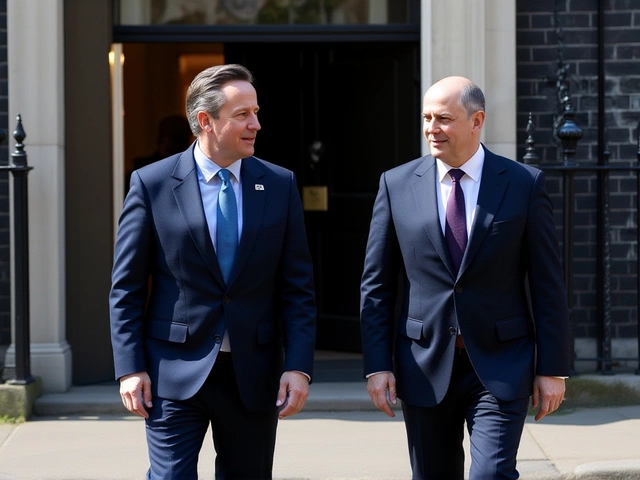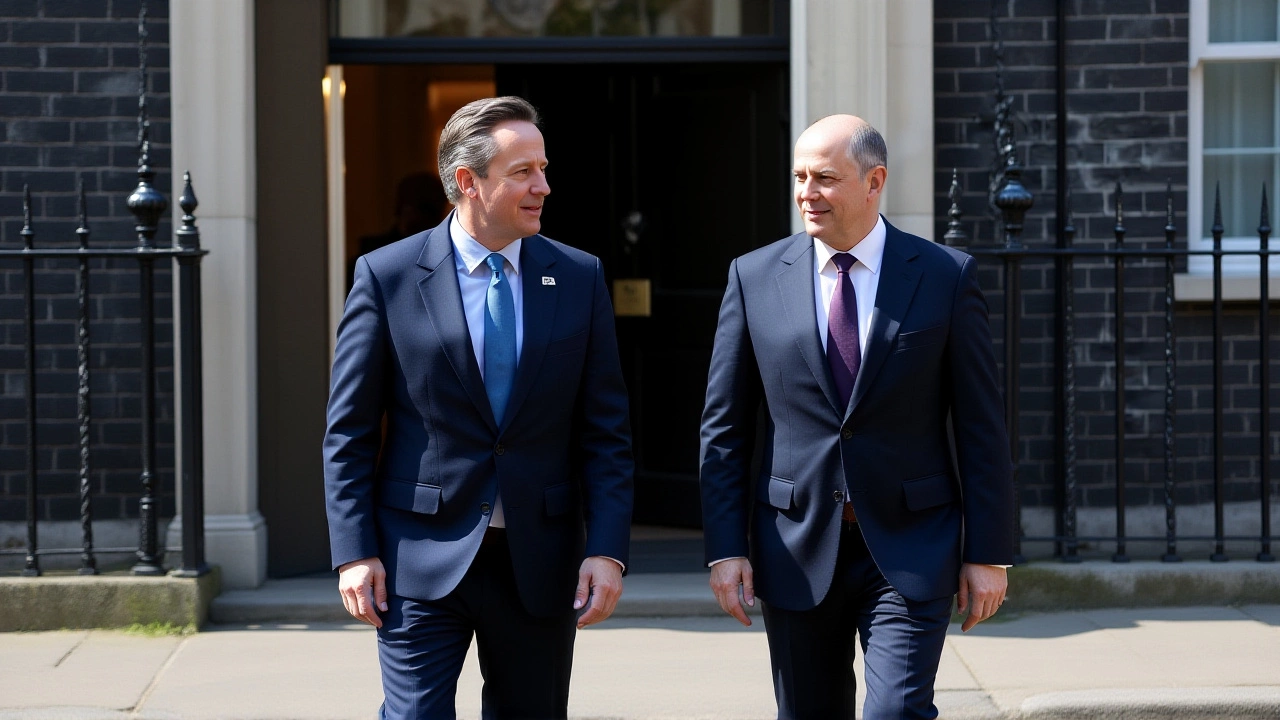
On Monday, November 13, 2023, David Cameron made a stunning political comeback, stepping back into the heart of British government as David Cameron’s new role as Secretary of State for Foreign, Commonwealth and Development Affairs. The twist? He wasn’t elected to Parliament. Not even close. To make it legal, Prime Minister Rishi Sunak appointed him a life peer — a seat in the House of Lords. It’s the first time since Peter Carrington in the 1980s that a Foreign Secretary has operated from the unelected chamber. And it’s the first time a former Prime Minister has returned to Cabinet in over 70 years without having won a seat in the Commons.
A Return No One Saw Coming
Cameron, who resigned in 2016 after the Brexit referendum he called went disastrously wrong, had spent the past seven years mostly out of the spotlight — running charities, attending quiet dinners, and occasionally popping up on TV panels. But on Monday, the UK government announced he’d be taking over from James Cleverly, who moved from Foreign Secretary to Home Secretary after Suella Braverman was fired for breaching ministerial conduct rules. The timing was jarring: Braverman, a hardline conservative favorite, had been a symbol of the party’s rightward shift. Her ouster shocked many, but Cameron’s appointment stunned even seasoned insiders."It came as a surprise to seasoned politics-watchers," CBS News noted. And rightly so. The last time a former PM returned to Cabinet? Anthony Eden in 1955 — and even then, he was already a sitting MP. Cameron, by contrast, hasn’t stood for election since 2016. He’s not just out of Parliament — he’s out of the electoral system entirely.
The Lords Loophole
The House of Lords is not a democratic body. Its members are appointed, not elected. And while it can scrutinize legislation, it can’t hold ministers to account in the same way the Commons can. That’s why David Cameron’s presence there raises serious questions about accountability. He’s now responsible for Britain’s global relationships — from Ukraine to China, from Israel to the Global South — yet he answers to no voters. He’s not required to attend Prime Minister’s Questions. He doesn’t face daily grilling in the Commons.Instead, his deputy, Andrew Mitchell, sits in the despatch box, fielding questions from MPs who have no authority over Cameron himself. Meanwhile, Cameron has appeared only once in the Lords, answering gentle questions on European affairs. He skipped a potential showdown with veteran Tory MP Bill Cash, opting instead for a trip to the Middle East. The Institute for Government put it bluntly: "Cameron is busy abroad, back at Westminster the story is rather different."
Leader of the House Penny Mordaunt acknowledged the problem. "The government is sympathetic to finding a way of improving accountability to the Commons," she said on November 14. But she offered no plan. No timeline. No proposal. Just words.
Why Now? Why Him?
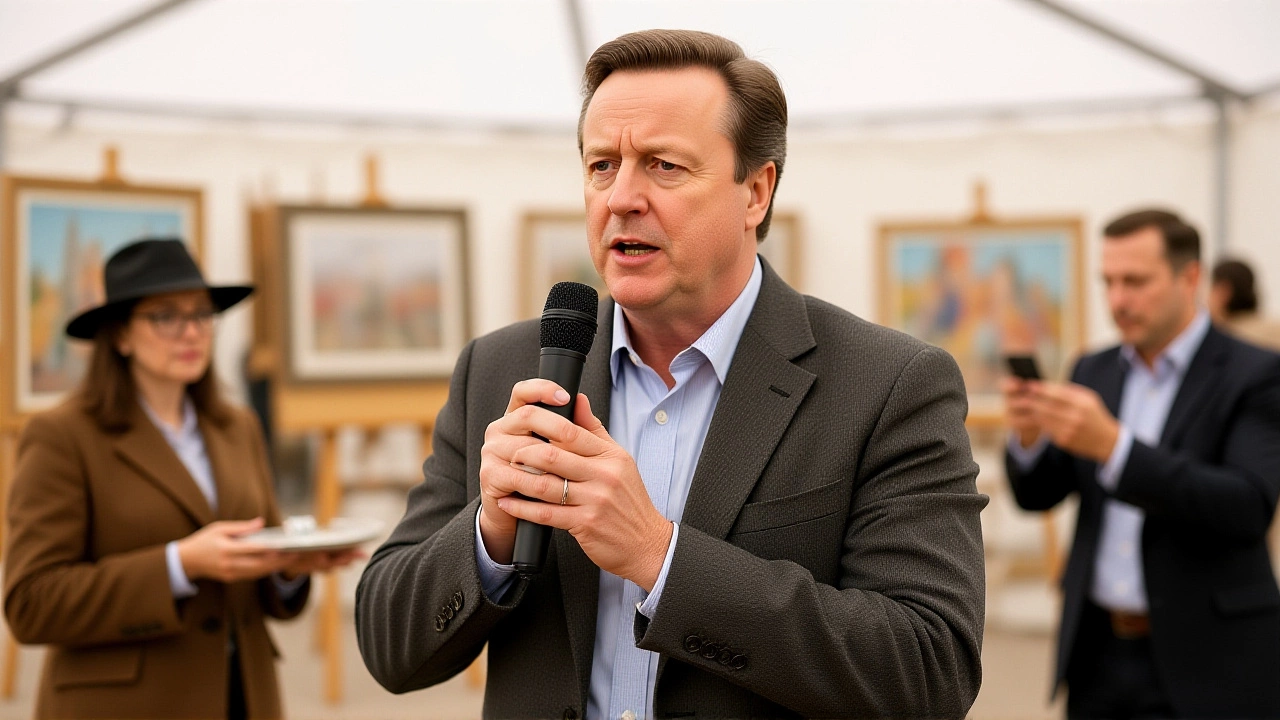
Sunak’s motives are clear: Cameron brings experience, gravitas, and a global network. He’s also a known quantity — a centrist who can reassure allies in Washington and Brussels. And crucially, he’s aligned with Sunak on key issues. The BFPG reported on November 14 that Cameron had endorsed the government’s controversial Rwanda deportation plan, calling it the "best available option." That’s significant — the Supreme Court is set to rule on its legality on November 15, 2023. Cameron’s return could signal Sunak’s intent to push ahead, regardless of the verdict.He’s also expected to oversee the release of the International Development Strategy on November 20. Will it be delayed for his input? Almost certainly. His fingerprints are already on it.
And here’s the kicker: Cameron’s life peerage means he’ll stay in the Lords — forever. Even if he leaves government next year, he’ll still be there. He’ll still be advising. Still influencing. Still part of the machinery. That’s unprecedented for a former PM.
A Pattern of Comebacks
This isn’t the first time the UK has bent its rules for political veterans. Ken Clarke returned to Cabinet under Cameron after 12 years on the backbenches. Peter Mandelson came back under Gordon Brown after seven years out. Both needed Lords appointments. But neither was a former Prime Minister. And neither had such a polarizing legacy.Cameron’s tenure as PM was defined by austerity, tax cuts, and the Brexit gamble. He cut corporation tax from 28% to 19%. Raised VAT to 20%. Reduced the structural deficit by half. But he also presided over the referendum that shattered his party and fractured the country. Now, he’s being asked to rebuild Britain’s global standing — the very thing his actions helped destabilize.
What’s Next?
The Supreme Court’s Rwanda ruling on November 15 will be his first major test. Will he defend the policy publicly? Will he quietly shift gears if it’s struck down? And what about the next general election? If Labour wins, will they try to abolish the Lords — and with it, his permanent seat?Meanwhile, backbench Tories are furious. Jacob Rees-Mogg called Braverman’s sacking "a mistake." But he didn’t say a word about Cameron’s return. That silence speaks volumes.
Frequently Asked Questions
How can David Cameron be Foreign Secretary without being an MP?
The UK government appointed him a life peer in the House of Lords, which allows non-MPs to serve in Cabinet. This hasn’t happened for a Foreign Secretary since Peter Carrington in the 1980s. While legally valid, it bypasses the democratic norm that senior ministers should be directly accountable to elected representatives.
Why is this move controversial?
Cameron avoided direct accountability in the House of Commons, where MPs can question ministers daily. His deputy, Andrew Mitchell, must answer for him, creating a disconnect between policy and oversight. Critics argue it undermines parliamentary democracy, especially given Cameron’s role in triggering Brexit — a decision that still divides the country.
What’s the significance of the Rwanda deportation plan to Cameron’s return?
Cameron publicly endorsed the Rwanda plan as the "best available option," signaling alignment with Sunak’s hardline immigration stance. With the Supreme Court set to rule on its legality on November 15, 2023, his appointment suggests the government intends to push forward regardless — making him a key player in one of the UK’s most contentious legal battles.
Will David Cameron remain in politics after leaving government?
Yes. As a life peer, Cameron now holds a permanent seat in the House of Lords. Even if he leaves the Cabinet, he’ll remain in Parliament indefinitely, able to influence legislation, debate foreign policy, and advise future prime ministers — ensuring his legacy continues long after his formal tenure ends.
How does this compare to past political comebacks?
While figures like Ken Clarke and Peter Mandelson returned to Cabinet after long absences, none were former Prime Ministers. Cameron’s return is historic not just for the role, but for the person — a former head of government re-entering power without having won a vote in over seven years. It breaks a modern convention that ministers should be directly accountable to the electorate.
What impact could this have on future governments?
This sets a dangerous precedent: that powerful figures can bypass elections to return to power. Future PMs may feel emboldened to appoint unelected allies to top roles, weakening democratic accountability. The Commons may demand reforms — or risk losing public trust entirely. For now, no concrete changes are planned.